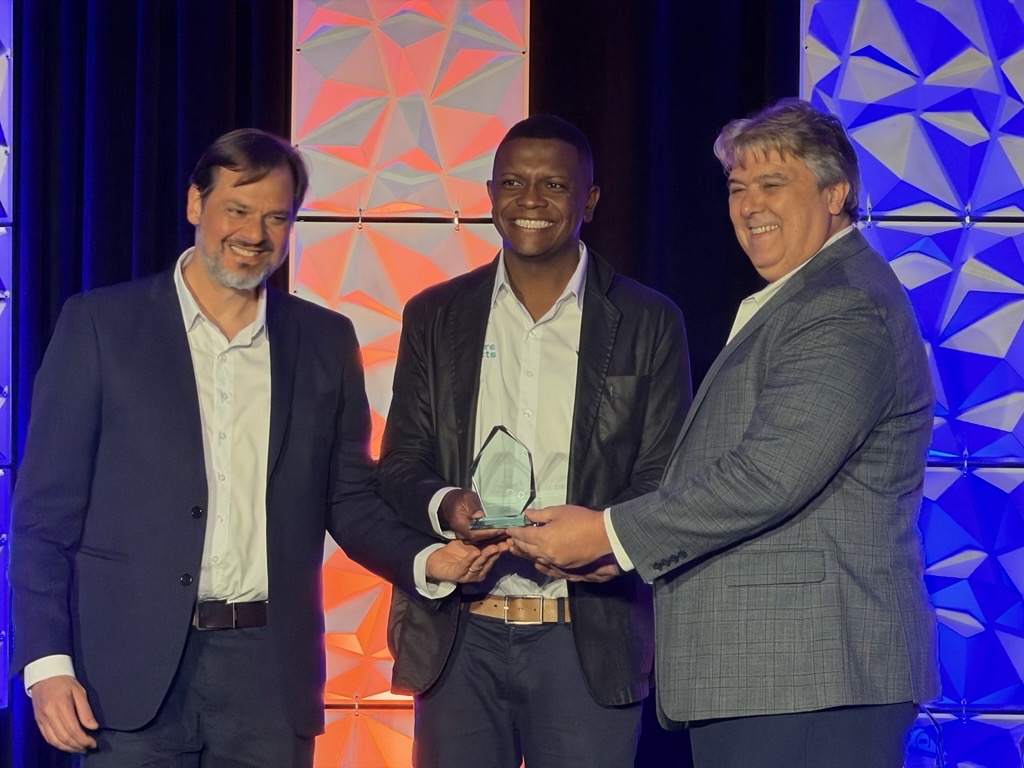
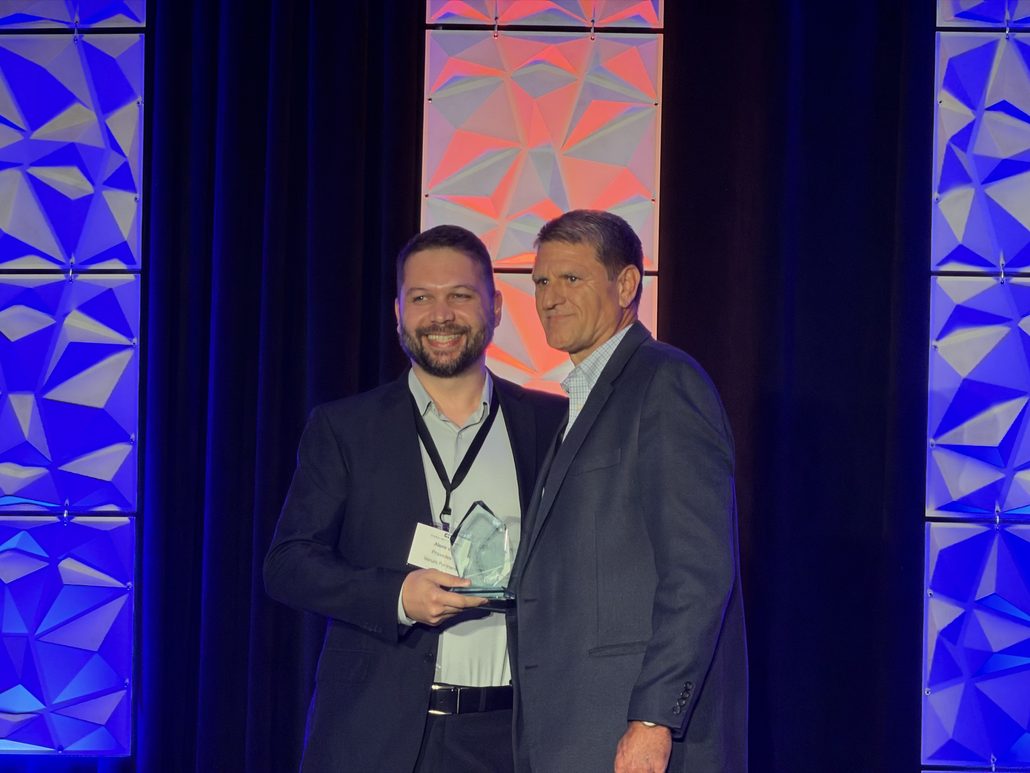
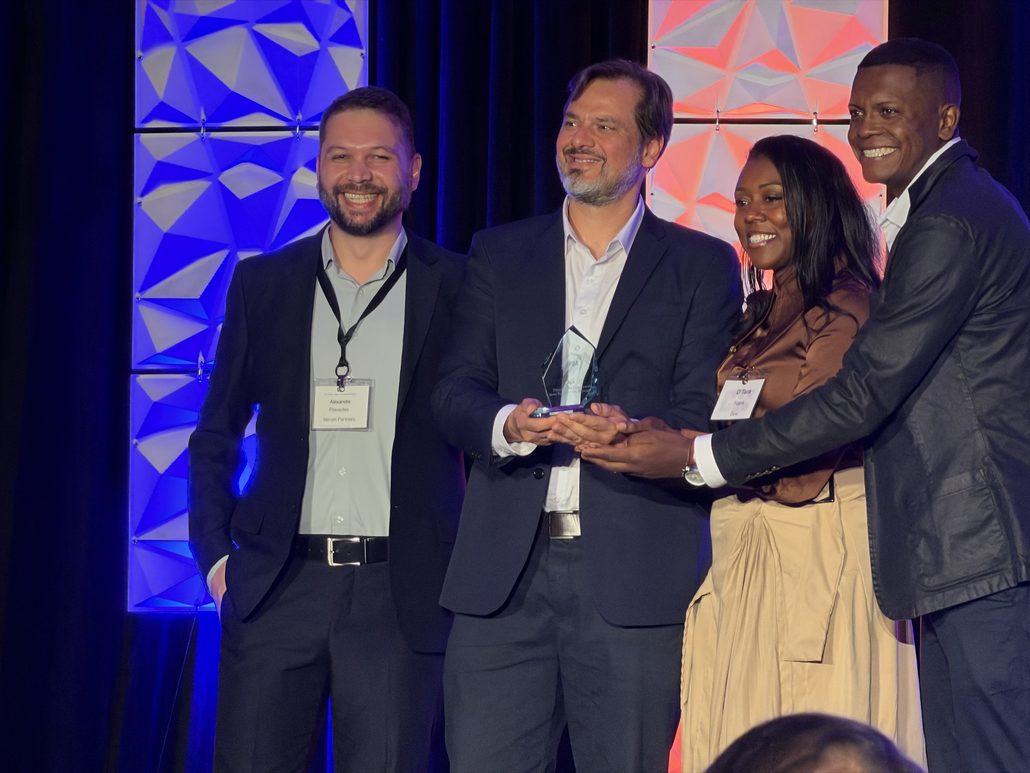
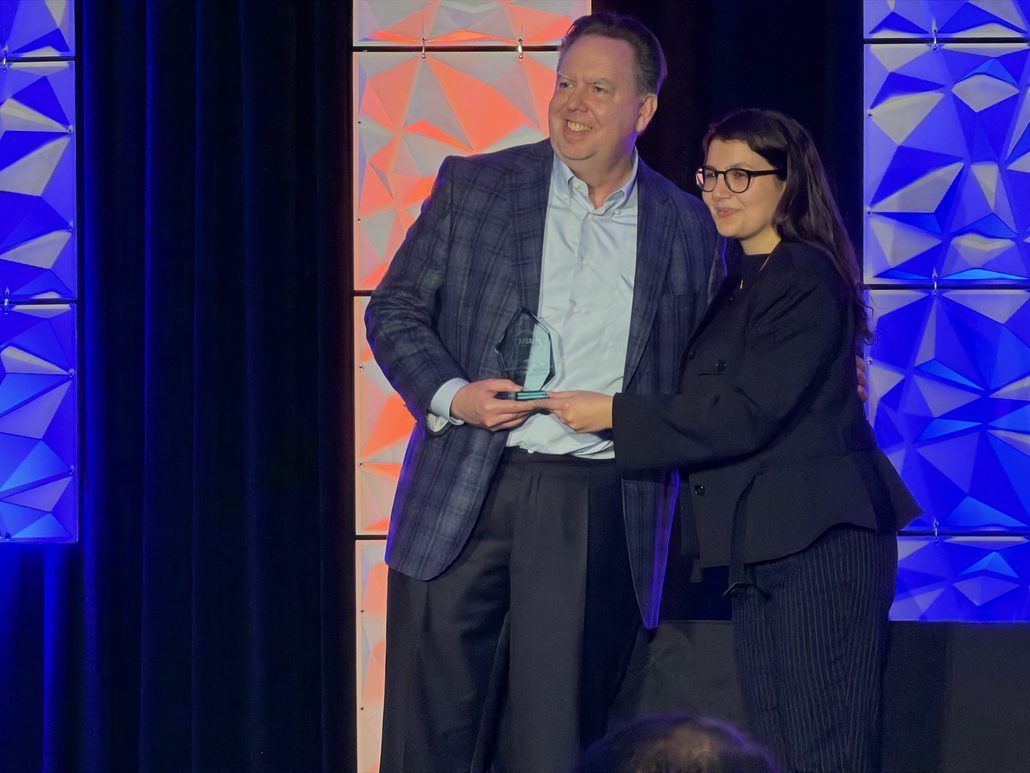
PTAG congratulates the industry leaders, project teams, innovators, and emerging professionals recognized at the 2026 AWP+ Awards & Social Gala, held on November 19 during the CII Global AWP+ Conference in Conroe, Texas.
The awards, presented by the Advanced Project Delivery Association (APDA), celebrate individuals and organizations making meaningful contributions to Advanced Work Packaging (AWP), digital innovation, field execution, and capital project delivery.
As a Headline Sponsor of the 2026 CII Global AWP+ Conference, PTAG is proud to recognize the achievements of this year’s recipients and the teams whose dedication continues to move the industry forward.
Recognizing the 2026 AWP+ Award Recipients
This year’s awards highlighted outstanding contributions across six categories:
Vanguard Award (Lifetime Achievement): Lloyd Rankin Recognizing a distinguished career dedicated to advancing capital project delivery and Advanced Work Packaging.
Technology Advancement Award: Vale, Intelligent TLO3, S11D Serra Sul Recognizing innovation in digital project delivery through intelligent automation that improves operational efficiency, safety, and execution.
Excellence in Field Execution Award: Alexandre Praxedes, Vale Celebrating exceptional leadership and measurable improvements in field execution through disciplined WorkFace Planning.
Project of the Year Award: Vale, Serra Sul +20 Mtpa Expansion Recognizing excellence in applying advanced project delivery practices to a major capital project.
Academic Leadership Award: Dr. William J. O’Brien Honouring contributions to advancing industry knowledge, education, and research in capital project delivery.
Women in Construction Excellence Award: Carla Vivallos Cid, Codelco Recognizing leadership and contributions to advancing excellence within the construction industry.
Together, these recipients demonstrate how innovation, collaboration, and disciplined execution can improve project outcomes and strengthen the future of capital project delivery.
Investing in the Next Generation: 2026 APDA Scholarship Recipients
The evening also celebrated emerging professionals through the 2026 APDA Scholarship Program, recognizing promising talent committed to advancing the future of project delivery.
PTAG extends its congratulations to the confirmed scholarship recipients:
Surbhi Vijay Ghag
Uzair Razzaque Arain
Sima Kattan
The scholarship program reflects the importance of connecting education, mentorship, and industry experience to develop the next generation of project delivery professionals.
We also recognize the mentors who contribute their knowledge, guidance, and time to supporting these emerging leaders.
Recognizing the People Behind Project Success
Six weeks before the conference, PTAG encouraged the industry to nominate colleagues whose important contributions do not always receive the recognition they deserve.
The AWP+ Awards provided an opportunity to bring those contributions into the spotlight.
Behind every successful project, innovative solution, and industry advancement are individuals and teams committed to improving how capital projects are planned, managed, and delivered.
Their achievements reinforce the value of collaboration, knowledge sharing, continuous improvement, and the application of Advanced Work Packaging and Advanced Project Delivery practices.
Congratulations to All Recipients
PTAG congratulates the 2026 AWP+ Award recipients, APDA Scholarship recipients, nominees, mentors, and the teams supporting their achievements.
As the 2026 CII Global AWP+ Conference comes to a close, we celebrate the people driving progress across the industry and look forward to the continued advancement of project delivery practices.
PTAG is a Headline Sponsor of the 2026 CII Global AWP+ Conference, November 18–20, Conroe,Texas
/wp-content/uploads/2024/10/PTAG-Header-Logo-300x50.png00Elnaz Khaleghi/wp-content/uploads/2024/10/PTAG-Header-Logo-300x50.pngElnaz Khaleghi2026-11-20 13:05:372026-11-20 13:06:12Celebrating Excellence in Project Delivery: 2026 AWP+ Awards and APDA Scholarship Recipients
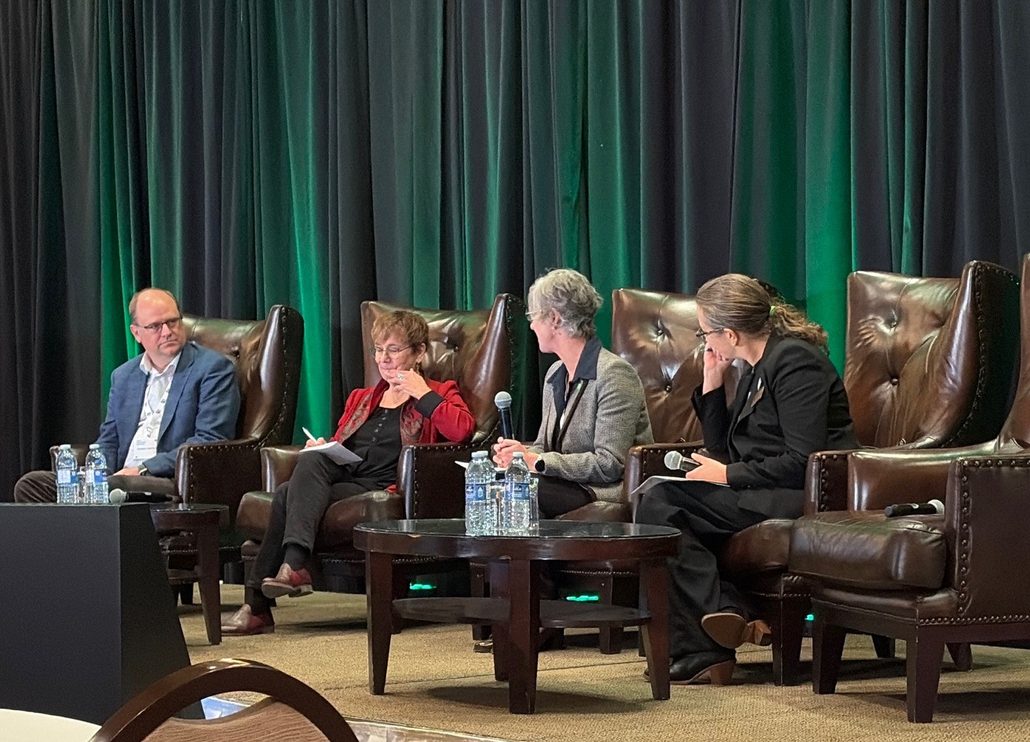
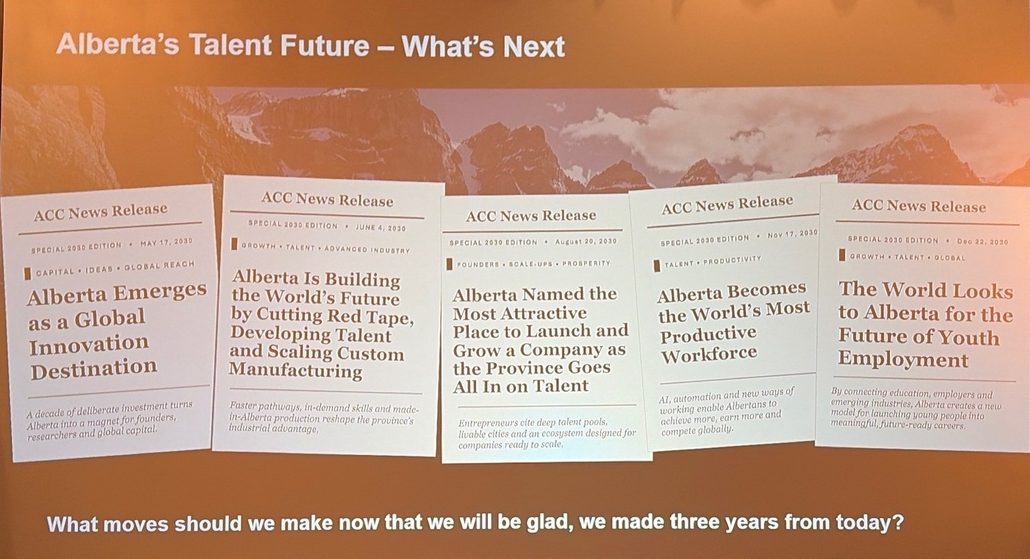
On November 18, employers, educators, government officials and workforce intermediaries filled a room in Edmonton for the fifth annual Talent Development Symposium, hosted by the Talent Development Task Force and co-chaired by the Alberta Chambers of Commerce (ACC) and the Alberta Post-Secondary Network (APSN). The numbers framing the day were stark. Alberta expects roughly 1.5 million job openings over the next decade, more than 60% of them requiring at least two years of post-secondary education. The province’s system will need about 43,000 more seats by 2033. And in mid-2025, 49% of Alberta employers reported moderate or significant staffing shortages.
This year, the Task Force asked for something different: less admiring of the problem, more evidence of what’s working. PTAG’s Workforce Development Practice Lead, Rachel Sumner, was in the room for the panels and took part in two of the afternoon’s working sessions, on career pathways and work-integrated learning, and on workforce data standards. What follows is what we heard, what we contributed, and why it matters for organizations building capital projects and capability in Alberta.
Alberta Is Treating Talent Like a Supply Chain
The clearest signal of the day was how far Alberta has moved toward a demand-led workforce system. Jeff Griffiths, Program Director of Talent Pipeline Management (TPM) at the ACC, described the shift in plain terms: making the employer “the end customer of the system” rather than a participant that simply takes whatever the system produces. TPM, an employer-led model developed by the U.S. Chamber of Commerce Foundation, treats talent as a supply chain, built backward from what employers actually need, how many, and when.
Alberta is the first provincial government in Canada to put its weight behind the model. Close to 40 people in the province have now been formally trained in TPM, compared with a handful across the rest of the country. The ACC has formalized an employer collaborative with the Alberta Aviation Aerospace Defence Council, is building others in construction, oil and gas, and tourism, and will host its next Talent Acceleration Summit in Calgary on February 10–11, 2027, focused on construction labour. Griffiths was blunt about why: the build-out ahead over the next 10 to 15 years “is going to make [the early 2000s] look like a picnic.”
Government is leaning in alongside it. Christopher McPherson, Deputy Minister of Jobs, Economy, Trade and Immigration, told the opening panel that 306 major projects began construction in Alberta in 2025, and that the province has had to revise its labour outlook after adding what it estimates are more than 100,000 jobs in six months. His advice to employers was direct: help government forecast accurately, “double and triple down” on TPM, and use the programs already on the table, including the Alberta Industry Skills Grant, the Canada-Alberta Productivity Grant, and the Alberta Youth Employment Incentive, which offers employers $4,000 for one hire aged 15 to 24 and $7,500 for two or more.
The Partnerships That Work Have Employers Investing Up Front
The Symposium’s success stories shared one feature: the employer didn’t wait at the end of the pipeline.
Josh Brewster, Associate Dean of Aviation Technology at SAIT, walked through the institute’s partnership with Lufthansa Technik, which is building a roughly 150,000-square-foot engine maintenance facility in Calgary expected to create 160 highly technical jobs by 2030. Together they co-designed a one-year gas turbine technician certificate. Lufthansa Technik co-recruits and pre-hires sponsored students before training starts, covers tuition, tooling and PPE, and pays a small wage while they study. The latest intake drew more than 130 qualified applicants for 10 sponsored seats, and every sponsored student is still on track. Just as important for the system, employer-sponsored cohorts are priced at the actual cost of delivery, so the partnership adds net-new seats rather than displacing domestic learners. SAIT is now extending the model to heavy equipment technicians with Finning and Caterpillar. Brewster’s formula: “Start with a real workforce need. Co-design a solution together, have both sides invest.”
Goodwill Alberta showed the retention side of the same equation. Heather Hicks, Vice President of Mission Impact, and Kirsten Harrison, Program Delivery Manager, described Goodwill Cares, a confidential navigator service, separate from HR, that helps team members with everything from transportation subsidies to recertifying foreign credentials. Since launching in 2023, Goodwill has cut annual turnover from 50% to a trending 25% across a workforce of about 1,200.
Edmonton Airports’ Director of Defence and Industry Development added the hard edge. Aircraft maintenance engineers are the region’s top constraint, a “missing middle” of mentors left the industry after the pandemic, and there is a limit to public training dollars. Her challenge to industry: be frank about the minimum viable product public institutions should provide, and pay for the specialized certification that has historically been subsidized by taxpayers.
Nuclear Is Coming West, and Small Businesses Are Asking How to Qualify
One of the morning’s sharpest questions came from the floor. Mary French, who leads employment, training and procurement for Energy Alberta on the proposed Peace River Nuclear Power Project, asked the panel how Alberta’s small and medium-sized businesses will reach the quality, safety and management-system standards that major projects, and nuclear in particular, demand. It’s the question she hears “over and over.”
It’s a fair one. The Peace River project is a proposed four-unit, up to 4,800 MW facility north of the Town of Peace River, now in the federal impact assessment process, with Energy Alberta targeting first-phase operation by 2035. Energy Alberta estimates it could support around 20,000 jobs a year through design and construction. Add pipeline work, a new Royal Canadian Air Force tanker base at Edmonton International Airport, and the broader defence build-out, and Alberta’s SMEs face a qualification gap, not just a hiring gap.
The panel’s answers pointed to levers PTAG clients should be watching: provincial and federal procurement thresholds being adjusted to bring more SMEs into major-project supply chains; Alberta’s shift toward outcomes-based safety regulation built on CSA standards; and interprovincial work on mutual recognition of training and credentials that McPherson said would “come to fruition in the next two months.” Edmonton Airports also credited industry associations, such as the Alberta Aviation Aerospace Defence Council, for running cohorts that get SMEs through the table-stakes certifications (ISO, cybersecurity, dangerous goods) needed to compete.
This is familiar ground for PTAG. Nuclear’s supply chain runs on the CSA N299 series and nuclear-grade quality expectations that most Alberta fabricators and contractors haven’t had to meet before. Getting an SME from “interested” to “qualified” is as much a workforce question (who holds the competencies, who trains the next cohort, who carries the quality culture on the shop floor) as it is a paperwork one.
What We Brought to the Table
In the afternoon working sessions, Rachel brought an industry voice, informed by her role at PTAG and as Chair of the Canadian Nuclear Association’s National Workforce Council, to three problems that run through every Alberta conversation about talent.
The demand signal is weaker than the system assumes. In the career pathways session, Rachel named the timing mismatch at the heart of workforce planning. “We could probably give you a six-month time horizon with some certainty,” she said of employers’ demand signals, “and yet it might take you four years to produce” the graduates. Her ask was for agility on both sides: ways to de-risk supply-side investments so institutions can scale programs up or down as employer certainty improves. She also pointed to an approach one large employer in her industry association has adopted, “recruit once, hire twice”: bring people in through internships or co-ops first, then make the offer. As she put it, that’s “the longest probationary period you’re going to ever offer anybody.”
Skilled trades need a new narrative. “When we’re going to build what we’re going to build here in Alberta, we’re going to need more skilled trades than we’ve ever trained,” Rachel told the session, noting that electrical apprenticeships now require college/university-level math. Building on the AI panel’s idea of “capability arbitrage” (finding low-cost routes from one skill to an adjacent one), she argued that focusing on skills rather than job titles lets people follow opportunity across the system. She also flagged that parents and school counsellors are being asked to act as workforce analysts without current data, and floated job-shadowing semesters in industry for teachers.
Data quality starts with employer workforce planning. In the data standards session, Rachel’s table took on the idea of a “single source of truth” for competencies. Rather than reinventing the wheel, she suggested Alberta adopt an internationally recognized competency framework, and encourage neighbouring provinces to do the same, so that skills data is interoperable. But she was candid about the upstream problem: “Quality of workforce planning is not improving. In fact, it’s diminishing because of the level of ambiguity around what job roles, what tasks, what activities we’re actually going to need to hire for.” If employers aren’t feeding good data into the system, she said, “no matter which single source system we consider truth, it’s not truth.” The fix includes closing the value loop so employers see something back for the data they share, and reusing data that already exists, such as anonymized payroll information, instead of adding more surveys.
Why This Matters for PTAG Clients in Alberta
Alberta’s workforce ecosystem is unusually well organized, but it rewards organizations that show up and plug in. Being in these rooms means PTAG can connect clients to what already exists instead of building from scratch:
A seat in demand-led collaboratives. We can help clients engage early with ACC’s TPM collaboratives and the February 2027 construction summit, so their requirements shape the training pipeline rather than arriving after programs are set.
Employer-sponsored training that actually scales. The SAIT–Lufthansa Technik model shows Alberta institutions will co-design and run cost-recovery cohorts. We help clients define the competencies, sponsorship terms and cohort size that make that conversation productive.
Public funding mapped to project timelines. From the Alberta Industry Skills Grant to the Canada-Alberta Productivity Grant and youth hiring incentives, we help clients line up the right program with the right phase of work.
SME and supply-chain readiness for nuclear and major projects. For owners and prime contractors, we help design workforce and qualification pathways that bring local and Indigenous-owned suppliers up to nuclear-grade expectations, drawing on our experience in Ontario’s nuclear sector.
Better demand signals. Our role and capability architecture work gives clients skills-level workforce plans they can share through TPM, with post-secondary partners, and with government forecasters, exactly the input every panel asked employers for.
A national lens. Through the CNA National Workforce Council and UNENE, we bring what’s working in other provinces to Alberta, and carry Alberta’s lessons, like TPM and cost-recovery cohorts, back to the national conversation, including on credential recognition and labour mobility.
The Symposium closed with a challenge from PrairiesCan’s Michelle Evans: “Does your ambition meet the moment?” For Alberta’s builders, meeting it means treating workforce as part of project delivery from day one.
Work with us
PTAG’s Workforce Development Practice works at the intersection of workforce strategy, project execution and stakeholder engagement. Rachel Sumner leads the Practice as Practice Lead and Senior Director, and also chairs the Canadian Nuclear Association’s National Workforce Council and serves as Senior Advisor on Workforce Initiatives with the University Network of Excellence in Nuclear Engineering (UNENE).
If your organization is planning major-project, nuclear or industrial capacity in Alberta and needs a workforce strategy connected to the people already solving these problems in the province, connect with Rachel and the Workforce Development Practice team.
/wp-content/uploads/2026/11/acc_logo-1-7f13ff.svg141188Rachel Sumner/wp-content/uploads/2024/10/PTAG-Header-Logo-300x50.pngRachel Sumner2026-11-20 10:49:212026-11-20 10:49:25Alberta is Building its Talent Supply Chain and PTAG is at the Table
PTAG’s Andrew Grant and Feroz Ashraf will be attending Capital Projects Symposium 2026 in Toronto, November 8 to 10.
Their focus is a practical one: on a mining capital program, what actually held between sanction and first production, and what did the team do differently at the gates to make it hold?
Capital Projects Symposium brings together leaders from financing, planning, and project delivery for three days of discussion around the realities of major capital programs.
For PTAG, the most valuable conversations are often the candid ones. Where did the program start to drift? Which assumptions failed? What did teams change at key decision gates? And which practices proved strong enough to carry through execution?
These are the questions that matter on mining programs where cost, schedule, scope, constructability, and operational readiness all need to stay aligned from sanction through first production.
Andrew and Feroz will be at the Chelsea Hotel throughout the event and welcome the opportunity to compare notes with owners and project leaders working through similar challenges.
If you are running a mining capital program or supporting one owner-side, contact Andrew Grant before November 4 to set up a time to connect.
/wp-content/uploads/2026/11/capital_projects_symposium_logo.jpeg200200Elnaz Khaleghi/wp-content/uploads/2024/10/PTAG-Header-Logo-300x50.pngElnaz Khaleghi2026-11-02 10:38:412026-11-02 10:38:43PTAG at Capital Projects Symposium (CPS) 2026
PTAG will be at Booth #22 at CNA West 2026, taking place November 2 to 4 at the BMO Centre in Calgary.
As Alberta’s nuclear conversation moves from public engagement toward project definition, owners and suppliers are beginning to make decisions that will shape how future programs are scoped, estimated, governed, and delivered.
This is the stage where early choices matter. Establishing a credible estimating basis, defining quality requirements, and aligning project delivery expectations before major scopes are awarded can have a significant impact on execution later.
PTAG brings together a local presence in Calgary with decades of nuclear experience in Ontario. Our teams in Calgary and Bruce County support owners and project organizations with the planning, project controls, quality management, construction management, and delivery frameworks needed to prepare complex nuclear programs for execution.
At CNA West, our focus is practical. If you are scoping a nuclear program, developing an early delivery strategy, or working through decisions that need to be made over the next two quarters, bring those questions to Booth #22.
Andrew Dubreuil, Philip Whelan, Ugo Santone, Jim Welsh, Rachel Sumner, Shafaq Riaz, Sonia Brar, Alicia Ward, and Vivian Ho will be representing PTAG.
We look forward to connecting in Calgary and discussing the decisions shaping the next phase of nuclear development in Western Canada.
/wp-content/uploads/2026/10/header-cnawest2026-logo.png500586Elnaz Khaleghi/wp-content/uploads/2024/10/PTAG-Header-Logo-300x50.pngElnaz Khaleghi2026-10-21 11:18:342026-10-21 13:10:22PTAG at CNA West 2026: Supporting the Next Stage of Nuclear Development in Western Canada
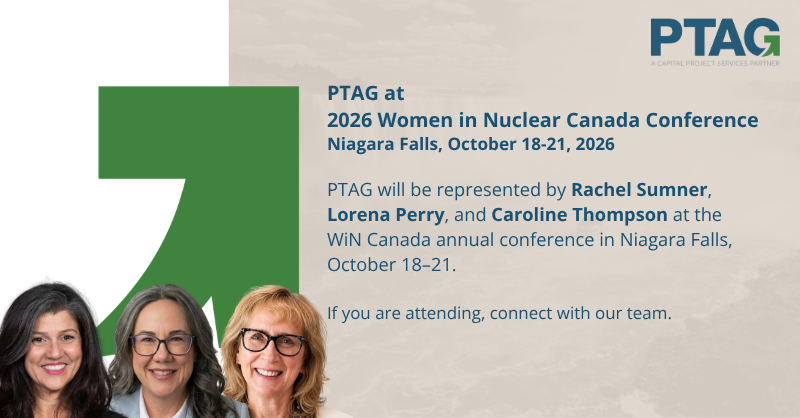
PTAG will be represented by Rachel Sumner, Lorena Perry, and Caroline Thompson at the WiN Canada annual conference in Niagara Falls, October 18–21.
Women across PTAG play key roles throughout our organization, bringing expertise, leadership, and perspective to complex project delivery across the nuclear sector.
The WiN Canada Annual Conference is an important forum for connecting professionals, sharing knowledge, and supporting the continued growth of women in nuclear.
If you are attending, connect with our team and join the conversation around the people and leadership shaping the future of nuclear in Canada.
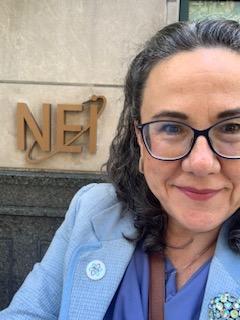
This week, PTAG’s Senior Director of Workforce Development, Rachel Sumner, joined leaders from industry, labour, education and government in Washington, D.C. for the Nuclear Energy Institute’s Nuclear Energy Workforce Summit (October 6–8).
The scale of the challenge was clear. DOE’s Dr. Mike Goff told delegates that quadrupling U.S. nuclear capacity to 400 GW by 2050 means growing a workforce of roughly 70,000 toward 375,000.
“We need the workforce now,” he said. “In fact, we’re probably even late.”
Three themes from the Summit
Workforce Demand signals come first. Unions and colleges said they can supply people, but only against firm, specific demand. As one building trades leader put it, “market signals to us are not a press release.“
Better data, even if imperfect. Speakers from DOE to the Center for Energy Workforce Development agreed the sector is being asked to build a workforce system with too little labour-market data.
Ecosystems beat one-off programs. State and regional consortia in Idaho, Virginia and the Southeast showed that neutral conveners, funded for the long term, are what turn pilot programs into pipelines.
What it means for our clients
Share your demand. Role-by-role, year-by-year hiring forecasts are what unlock training seats, apprenticeships and partner investment. Talk to PTAG about how we can help you do this and maintain the confidentiality of your workforce plan at the same time.
Build with others, not alone. Workforce is a partnership, not a procurement. Anchor your plans in regional ecosystems and shared intermediaries rather than competing for the same small talent pool. Work with us and our workforce ecosystem partners in your region to benefit from the power of consortium.
De-risk the worker. “We are putting way too much risk on the worker and the prospective worker right now,” Rachel told the Summit’s workforce strategy panel. Paid pathways, portable credentials and wraparound supports such as childcare widen the talent pool. Our Advisors can support you in designing a workforce strategy that places project risk where is can be best managed.
Connecting the U.S. and Canadian ecosystems
The two countries draw on the same trades, the same supply chain and, at times, the same people. Vogtle’s construction relied on welders recruited from Canada. Rachel chairs the Canadian Nuclear Association’s Workforce Council and advises University Network of Excellence in Nuclear Engineering on workforce initiatives, so the Practice brings what we heard in Washington directly into Canadian workforce planning, and vice versa.
/wp-content/uploads/2026/10/nuclear_energy_institute_logo.jpg200200Rachel Sumner/wp-content/uploads/2024/10/PTAG-Header-Logo-300x50.pngRachel Sumner2026-10-09 09:47:272026-10-09 09:56:39What We Heard at NEI’s Nuclear Energy Workforce Summit 2026
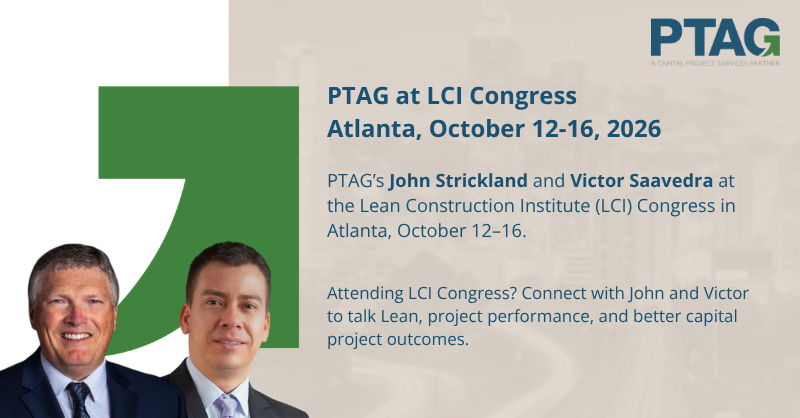
PTAG will be represented by John Strickland and Victor Saavedra at the Lean Construction Institute Congress in Atlanta, October 12 to 16.
For complex capital projects, improving performance is not only about adding more controls or processes. It is about creating better flow, reducing waste, improving coordination, and making execution more predictable.
At PTAG, we see Lean principles as an important part of that effort. Applied effectively, Lean can help project teams improve planning reliability, strengthen collaboration, and create greater value across engineering, construction, and project delivery.
These principles align closely with PTAG’s work in project management, construction management, project controls, and broader capital program delivery, where the goal is to help owners and delivery teams establish more disciplined, integrated ways of working.
The LCI Congress provides an opportunity to exchange ideas with practitioners who are advancing Lean across the industry and to explore how those practices can be applied within increasingly complex project environments.
If you are attending, connect with John and Victor in Atlanta and join the conversation around better ways to plan, manage, and deliver capital projects.
/wp-content/uploads/2024/10/PTAG-Header-Logo-300x50.png00Elnaz Khaleghi/wp-content/uploads/2024/10/PTAG-Header-Logo-300x50.pngElnaz Khaleghi2026-10-07 10:23:292026-10-07 10:23:37PTAG at the Lean Construction Institute Congress
Grid modernization is a capital delivery challenge before it is a technology challenge.
PTAG will be at the CIGRE Energy Forum 2026 in Calgary, September 21 to 24 at the Calgary TELUS Convention Centre, hosted by AltaLink.
This year’s theme, “Grid Modernization: Enabling Large Loads, Advanced Storage, and Smart Technologies for a Secure and Resilient Energy Future,” reflects the scale of transformation underway across the power and utilities sector.
For owners, the challenge is not only selecting the right technologies. It is also delivering increasingly complex transmission, storage, and grid infrastructure programs with the planning, controls, governance, and coordination needed to keep execution aligned.
PTAG works owner-side in Power & Utilities, helping organizations strengthen capital program delivery across project controls, construction management, engineering management, supply chain, PMIS, and performance management.
Representing PTAG at the forum will be Philip Whelan, Ugo Santone, Trevor Posyluzny, Andrew Dubreuil, Garry Makar, and Sonia Brar.
If you are carrying a transmission, storage, or broader grid modernization program, connect with the PTAG team in Calgary.
/wp-content/uploads/2026/09/cigre_logo.jpg200200Elnaz Khaleghi/wp-content/uploads/2024/10/PTAG-Header-Logo-300x50.pngElnaz Khaleghi2026-09-21 10:59:012026-09-21 10:59:10PTAG at CIGRE Energy Forum 2026: Advancing Grid Modernization Through Capital Delivery
Execution risk in nuclear is business risk. Contracts can allocate that risk, but they do not integrate execution.
On a nuclear new-build program, the OEM owns the technology. The EPC owns its contracted scope. The owner remains accountable for the overall outcome, including the risks that sit between contracts, organizations, interfaces, and critical owner decisions.
That is where project integration becomes essential.
PTAG works on the owner’s side as Project Integrator, helping connect contracting strategy and governance, integrated project controls, nuclear quality and regulatory commitments, change management, construction readiness, and the OEM and EPC interfaces that ultimately influence field performance.
For eighteen years, PTAG has worked alongside owners across nuclear and major capital programs in the U.S. and Canada. From early contracting strategy through commissioning and first megawatt, the objective is consistent: make the owner’s delivery system work as one.
PTAG has joined the Texas Nuclear Alliance, and Nick Revelas, Michael McBean, and Chris Deidun will be in Houston for the Texas Nuclear Summit from September 21 to 23.
If you are standing up a new-build nuclear program and have not yet resolved who will integrate across the OEM, EPC, and owner organization, connect with the PTAG team in Houston.
That is the conversation we want to have.
/wp-content/uploads/2026/09/Texas-Nuclear-Logo.webp151442Elnaz Khaleghi/wp-content/uploads/2024/10/PTAG-Header-Logo-300x50.pngElnaz Khaleghi2026-09-15 09:52:002026-09-15 09:53:01PTAG at the Texas Nuclear Summit: Integrating Nuclear Project Delivery From the Owner’s Side
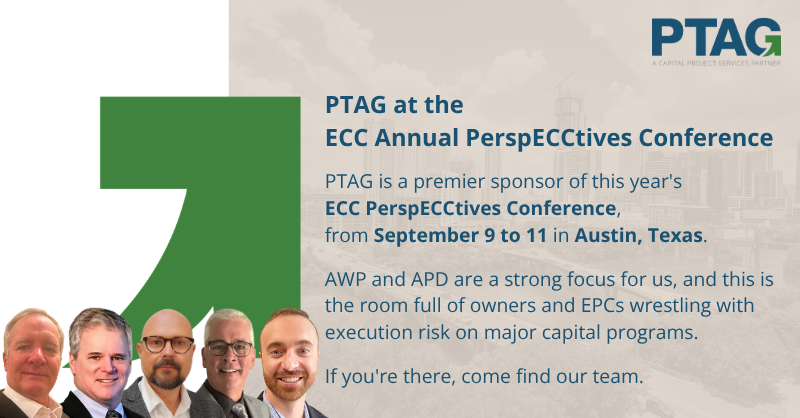
PTAG is proud to be a Premier Sponsor of this year’s ECC PerspECCtives Conference, taking place September 9 to 11 at the JW Marriott in Austin, Texas.
Jay Moser, Philip Whelan, Michael McBean, Chris Deidun, and Michael Dubreuil will be representing PTAG at the conference.
ECC brings together owners, EPC organizations, and industry leaders to address the execution challenges shaping major capital programs. For PTAG, those discussions closely connect with two areas central to our project delivery approach: Advanced Work Packaging and Advanced Project Delivery.
As projects become larger and more complex, AWP and APD can help improve alignment across engineering, procurement, construction, and project controls, while creating greater visibility into execution readiness and risk.
PTAG looks forward to exchanging perspectives on how these approaches are evolving and how they can support more predictable capital project delivery.
If you are attending ECC PerspECCtives, connect with the PTAG team in Austin.
/wp-content/uploads/2026/08/ecc-color-horiz-1.png100239Elnaz Khaleghi/wp-content/uploads/2024/10/PTAG-Header-Logo-300x50.pngElnaz Khaleghi2026-08-31 11:49:292026-08-31 11:49:42PTAG at the 2026 ECC PerspECCtives Conference