What We Heard at NEI’s Nuclear Energy Workforce Summit 2026
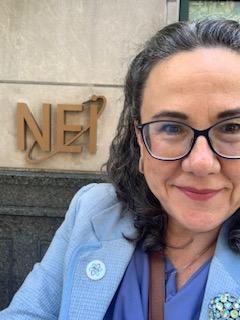
This week, PTAG’s Senior Director of Workforce Development, Rachel Sumner, joined leaders from industry, labour, education and government in Washington, D.C. for the Nuclear Energy Institute’s Nuclear Energy Workforce Summit (October 6–8).
The scale of the challenge was clear. DOE’s Dr. Mike Goff told delegates that quadrupling U.S. nuclear capacity to 400 GW by 2050 means growing a workforce of roughly 70,000 toward 375,000.
“We need the workforce now,” he said. “In fact, we’re probably even late.”
Three themes from the Summit
Workforce Demand signals come first. Unions and colleges said they can supply people, but only against firm, specific demand. As one building trades leader put it, “market signals to us are not a press release.“
Better data, even if imperfect. Speakers from DOE to the Center for Energy Workforce Development agreed the sector is being asked to build a workforce system with too little labour-market data.
Ecosystems beat one-off programs. State and regional consortia in Idaho, Virginia and the Southeast showed that neutral conveners, funded for the long term, are what turn pilot programs into pipelines.
What it means for our clients
- Share your demand. Role-by-role, year-by-year hiring forecasts are what unlock training seats, apprenticeships and partner investment. Talk to PTAG about how we can help you do this and maintain the confidentiality of your workforce plan at the same time.
- Build with others, not alone. Workforce is a partnership, not a procurement. Anchor your plans in regional ecosystems and shared intermediaries rather than competing for the same small talent pool. Work with us and our workforce ecosystem partners in your region to benefit from the power of consortium.
- De-risk the worker. “We are putting way too much risk on the worker and the prospective worker right now,” Rachel told the Summit’s workforce strategy panel. Paid pathways, portable credentials and wraparound supports such as childcare widen the talent pool. Our Advisors can support you in designing a workforce strategy that places project risk where is can be best managed.
Connecting the U.S. and Canadian ecosystems
The two countries draw on the same trades, the same supply chain and, at times, the same people. Vogtle’s construction relied on welders recruited from Canada. Rachel chairs the Canadian Nuclear Association’s Workforce Council and advises University Network of Excellence in Nuclear Engineering on workforce initiatives, so the Practice brings what we heard in Washington directly into Canadian workforce planning, and vice versa.
Planning a nuclear project in Canada or the U.S.? Connect with Rachel and the Workforce Development Practice to turn these lessons into a workforce plan.